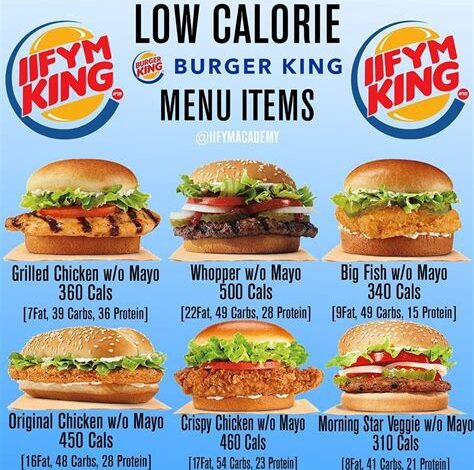
Explore nutrition labels, healthy menu tips, ingredient substitutions, portion sizes, and affordable sides for better fast-food choices to enhance your well-being. In today’s fast-paced world, finding healthy meal options can feel like a challenge, especially when dining at fast food restaurants.
However, eating well on a budget is entirely possible! In this article, we’ll guide you through effective strategies to make healthier choices at cheap fast food outlets without breaking the bank. From understanding nutrition labels to identifying healthy items on the menu, we’ll equip you with practical tips for navigating your options.
Plus, you’ll discover how to substitute unhealthy ingredients and manage portion sizes to better align your meals with your health goals. Get ready to enjoy affordable, nutritious eating at your favorite fast food joints!
Understanding Nutrition Labels For Better Choices
When it comes to making informed decisions at fast food restaurants, understanding nutrition labels is crucial. These labels provide essential information about the food you are consuming, helping you navigate through the myriad of options available. Here’s how to decode those labels effectively:
- Serving Size: Always start with the serving size. This indicates the amount of food that the nutritional information is based on. Be mindful that often, fast food portions are significantly larger than standard serving sizes.
- Calories: Pay attention to the calorie count, especially if you’re aiming to maintain or lose weight. Knowing how many calories are in your meal helps you balance your overall daily intake.
- Macronutrients: Look out for the total grams of fat, carbohydrates, and protein. Opt for meals that have a balanced macronutrient profile. Additionally, be cautious of saturated fats and trans fats, as these can contribute to health issues when consumed in excess.
- Sodium: Fast food is notoriously high in sodium. Keep an eye on this number, as excess sodium intake can lead to hypertension and other cardiovascular issues.
- Fiber: A higher fiber content can aid in digestion and increase satiety. Aim for meals that provide a good source of fiber, which is beneficial for overall health.
- Sugars: Check the total sugars, particularly added sugars, as these can contribute unnecessary calories and lead to health problems like obesity and diabetes.
By focusing on these key aspects of nutrition labels, you’ll be better positioned to make healthy choices that align with your dietary goals. Understanding what you are eating is an empowering step towards a healthier lifestyle, especially when dining out at cheap fast food restaurants.
Tips For Identifying Healthy Items On The Menu
When navigating the vast menus at cheap fast food restaurants, it can be challenging to find options that align with your health goals. Here are some effective tips to help you how to identify healthy items:
- Look for keywords: Pay attention to words like grilled, baked, or fresh on the menu. These terms often indicate a healthier preparation method compared to fried or crispy.
- Check for nutrition information: Many fast food chains now provide calorie counts and nutritional information on their menus or websites. Use this information to make informed choices about calorie intake and item composition.
- Choose smaller portions: Opting for smaller sizes, such as a junior burger or a 6-inch sub, can help you enjoy your favorite fast food without overindulging.
- Prioritize vegetables: Whenever possible, add vegetables to your meal. Items like salads or sandwiches loaded with greens can significantly improve the nutritional value of your meal.
- Avoid sugary beverages: Selecting water, unsweetened iced tea, or a small diet soda instead of soda can minimize sugar intake and calories.
- Be cautious with dressings and sauces: These can dramatically increase calories and fat. Ask for dressings or sauces on the side so you can control the amount you use.
- Check for multi-grain or whole grain options: If available, these choices are generally more nutritious than white bread products.
- Seek out special menus or health-focused meals: Some fast food restaurants offer meal options specifically marketed as healthy or lighter. These can often be a good starting point.
By following these tips, you can better navigate fast food menus and make choices that align with your health and budget without sacrificing taste or convenience. Now, you’ll know how to enjoy fast food while still making health-conscious decisions.

How To Substitute Unhealthy Ingredients In Fast Food
When navigating cheap fast food restaurants, it’s essential to know how to make smarter choices that can transform a meal from unhealthy to more balanced. Many fast food items are notorious for containing high amounts of saturated fats, sugars, and sodium. However, with a few simple substitutions, you can enjoy your meal without compromising your health goals.
Here are some effective substitutions you can consider:
- How to choose grilled instead of fried: Opting for grilled chicken sandwiches or wraps rather than crispy or breaded options can significantly reduce calorie and fat intake.
- How to switch sauces: Request lighter sauces, such as mustard or salsa, instead of creamy dressings or mayonnaise, which are often calorie-dense.
- How to replace sides: Swap out fries for a side salad, fruit cup, or yogurt, providing nutritional benefits without excessive calories.
- How to modify toppings: Consider loading up on veggies like lettuce, tomatoes, and cucumbers while reducing cheese and bacon to lower the fat content.
- How to downsize: If you can’t resist a burger, consider ordering a single patty instead of a double or a junior-sized option.
Making these simple adjustments can help you enjoy fast food while maintaining a healthier diet. The key is to be mindful of your choices and consider how to enhance your meal with nutritious options wherever possible.
The Impact Of Portion Sizes On Health At Fast Food
When it comes to fast food, understanding the impact of portion sizes on health is crucial for making informed choices. Fast food restaurants have gained notoriety for oversized portions that can lead to excessive calorie intake. Here are some key points to consider:

- Caloric Density: Many fast food items are calorie-dense, meaning a small serving can contain a large number of calories. For instance, a standard burger may seem reasonable but can have over 700 calories once you add fries and a drink.
- Perception of Value: Fast food restaurants often promote larger portions as providing better value for money, leading consumers to choose the bigger size even when they don’t need it. This can result in unintentional overeating.
- Recommended Serving Sizes: Familiarizing yourself with recommended serving sizes can help you gauge how much food you actually need. Many nutrition experts recommend using the hand as a guide—your palm for proteins, your fist for carbohydrates, and your thumb for fats.
- Healthier Choices: Opting for smaller sizes or sharing larger meals can significantly reduce calorie intake. Some restaurants offer “junior” or “small” versions of popular items, which can help satisfy cravings without overindulging.
- Mindful Eating: Paying attention to portion sizes encourages mindful eating, allowing you to enjoy your food while recognizing when you are full. This practice can also help prevent the habit of eating out of boredom or stress.
Understanding and managing portion sizes at fast food restaurants is essential for maintaining a balanced diet. By making conscious decisions about the quantity of food consumed, you can enjoy your fast food experience without compromising your health goals. Always remember the focus keyword: How To assess portion sizes effectively for healthier choices.

Affordable Healthy Side Options To Enhance Your Meal
Frequently Asked Questions
What are some key tips for finding healthy options at fast food restaurants?
Look for grilled items instead of fried, choose smaller portion sizes, select salads with vinegar-based dressings, and opt for water or unsweetened beverages.
Are there specific menu items at popular fast food chains that are healthier?
Many chains now offer lighter fare; for example, look for grilled chicken sandwiches, bean or veggie burritos, and salads with lean proteins like turkey or chicken.
Can fast food ever be part of a healthy diet?
Yes, fast food can be part of a healthy diet if you make mindful choices about what you order and manage portion sizes.
How can I identify healthier side options at fast food restaurants?
Choose sides like fruit, side salads, or baked potatoes instead of fries, and check if they offer smaller, healthier alternatives.
What should I avoid when trying to eat healthy at fast food places?
Avoid overly processed items, large portion sizes, sugary drinks, and add-ons like creamy sauces and fried toppings.
Are there any apps or resources that can help me find healthy fast food options?
Yes, apps like ‘MyFitnessPal’ and ‘HealthyOut’ can help you find nutritious options based on your dietary preferences.
How can meal prep help in making fast food choices healthier?
By preparing meals in advance, you can avoid the temptation of fast food and make healthier eating choices throughout the week, saving both money and calories.