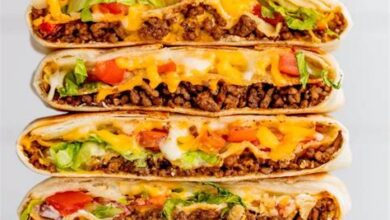
Explore the innovative ingredients, sustainable practices, and technological advances shaping the future of cheap fast food and evolving consumer preferences. In an ever-evolving culinary landscape, the future of cheap fast food is being reshaped by groundbreaking trends that promise to revolutionize how we eat on the go.
As consumers become increasingly discerning, fast food establishments are adapting to meet new demands for innovation, sustainability, and health. This article delves into key trends that are defining the next era of affordable dining, from innovative ingredients that tantalize the taste buds to cutting-edge technology streamlining the ordering process.
We’ll explore how sustainability practices are not just ethical choices but smart business strategies, and how changing consumer preferences are driving the shift toward healthier options. Join us as we uncover the essential insights and trends that are set to transform the fast food industry for good.
Innovative Ingredients Shaping The Future Of Cheap Fast Food
The fast food industry is undergoing a transformative phase, with innovative ingredients playing a pivotal role in shaping The Future of cheap fast food. As consumer demands shift towards healthier and more sustainable options, restaurants are experimenting with various ingredients that not only enhance flavor but also improve nutritional value.
One of the notable trends is the use of plant-based proteins. Companies are increasingly integrating ingredients like lentils, chickpeas, and pea proteins into their menus to cater to the growing demographic of vegans and vegetarians, while also appealing to health-conscious consumers. These alternatives serve as hearty meat substitutes in burgers, wraps, and even tacos, providing the same satisfying experience without compromising on taste.
Additionally, the rise of superfoods like quinoa, chia seeds, and kale is making waves in fast food offerings. These nutrient-dense ingredients are being incorporated into salads, bowls, and sides, allowing diners to indulge in their favorites without feeling guilty. Fast food brands that embrace these ingredients are not just enhancing their menus; they are also aligning with consumers’ desires for cleaner, more wholesome options.
Moreover, technology is enabling the creation of innovative ingredients that mimic traditional fast food items. Lab-grown meats are on the horizon, promising to deliver the same flavors and textures that consumers crave, but from a more sustainable source. This shift could redefine the concept of fast food, making it both eco-friendly and accessible to a broader audience.
As we look to The Future, it’s evident that the integration of these innovative ingredients will be essential for fast food chains to stay relevant and meet the evolving preferences of their customers. By focusing on sustainability, health, and taste, the industry is setting the stage for a new era of cheap fast food that can satisfy a more discerning palate.
Sustainability Practices Driving The Future Of Food Industry
In recent years, the emphasis on sustainability has significantly escalated, influencing not only consumer choices but also the operational practices of fast food establishments. As we look ahead, it’s clear that The Future of cheap fast food will be intertwined with sustainable practices that promote environmental stewardship and ethical sourcing.

Here are some key trends in sustainability that are shaping the fast food industry:
- Plant-Based Options: Many fast food chains are incorporating more plant-based meals into their menus, reducing reliance on meat and lowering their carbon footprint.
- Packaging Innovations: The shift towards biodegradable packaging and recyclable materials is becoming mainstream, with brands committing to eliminate single-use plastics.
- Local Sourcing: By sourcing ingredients locally, restaurants not only support local economies but also reduce greenhouse gas emissions associated with transportation.
- Waste Reduction Initiatives: Implementing strategies to minimize food waste, such as partnerships with local food banks or composting programs, is becoming a standard practice.
- Energy Efficiency: Fast food establishments are increasingly adopting energy-efficient technologies, such as LED lighting and energy-saving kitchen equipment, to lower their environmental impact.
As consumer awareness around environmental issues grows, the fast food industry will need to adapt. By prioritizing sustainability, these businesses not only attract environmentally conscious customers but also contribute positively to the planet, ensuring that The Future of the food industry is both profitable and responsible.
Technology Advances Influencing The Future Of Ordering Fast Food
As we look towards The Future of cheap fast food, technological advancements are playing a crucial role in redefining how consumers order and experience their meals. Increased digital engagement and innovation are essential in creating a more efficient and satisfying ordering process.
One of the most significant advancements has been the rise of mobile apps and direct online ordering systems. Consumers now have the ability to customize their orders, pay in advance, and even schedule pick-ups or deliveries at their convenience. This shift not only streamlines the ordering process but also enhances customer satisfaction through personalized experiences.
Artificial Intelligence (AI) is another game-changer. Fast food chains are integrating AI-driven chatbots to assist customers in placing their orders. These chatbots can suggest menu items based on user preferences, answer questions in real-time, and provide a seamless ordering experience. This technology increases efficiency and allows human employees to focus on service quality rather than routine tasks.
Moreover, advancements in self-service kiosks have transformed the traditional fast food restaurant layout. These kiosks allow consumers to browse the menu at their own pace, customize orders, and make payments without waiting in line. This not only shortens wait times but also minimizes human error during order processing.

Contactless payment methods have gained immense popularity, especially in a post-pandemic world. Fast food restaurants are adopting NFC (Near Field Communication) technology, allowing customers to make secure payments using smartphones or smartwatches, making the transaction quicker and safer.
Delivery services have evolved thanks to improved logistical technology. Partnerships with delivery platforms have enabled fast food chains to reach customers directly at their homes, often with the option for real-time tracking of their orders. This convenience has become a vital aspect of how consumers enjoy their fast food without leaving their homes.
The intersection of technology and fast food is ushering in a new era of convenience and customization. As we explore The Future of cheap fast food, it’s clear that the latest technological advances will continue to influence consumer behavior and reshape industry standards.
Consumer Preferences Reshaping The Future Of Cheap Fast Food Restaurants
As we look towards The Future of cheap fast food, it’s clear that consumer preferences are taking center stage. Customers today are more informed and conscious about their choices, which is significantly impacting the fast food landscape. Here are some key factors influencing these changing preferences:
- Health Consciousness: With an increasing focus on health and wellness, consumers are seeking options that align with their dietary goals. Fast food chains are adapting by offering healthier alternatives, such as salads, grain bowls, and plant-based items.
- Customization: Diners now expect to tailor their meals to fit personal tastes and dietary requirements. This trend leads to a rise in options for personalization, including vegan, gluten-free, and low-carb choices.
- Quality Over Quantity: As consumers demand higher quality ingredients, fast food restaurants are being pushed to invest in better sourcing and preparation methods. Many are responding by highlighting locally-sourced, organic, or non-GMO ingredients.
- Ethical Considerations: Awareness of social and environmental issues is influencing consumer choices. Fast food brands that demonstrate a commitment to ethical practices, such as fair trade or responsible sourcing, are increasingly preferred.
- Convenience: The rise of delivery apps and online ordering has transformed how people access fast food. Consumers now prioritize convenience, leading to a surge in mobile app development and optimized online platforms.
- Experience and Engagement: Customers are looking for more than just a meal; they want a fulfilling experience. This demands that fast food outlets create inviting atmospheres, engaging loyalty programs, and interactive marketing strategies.
These evolving consumer preferences are not only reshaping the nature of fast food restaurants but are also setting the stage for innovative practices that will define the industry’s trajectory in The Future. As fast food establishments adapt to meet these demands, the competition will elevate, leading to an exciting period of growth and transformation.
Frequently Asked Questions
What are the key trends shaping the future of cheap fast food?
Key trends include the rise of plant-based options, sustainable sourcing practices, the integration of technology for delivery and ordering, and a growing focus on health-conscious meals.
How are plant-based options influencing cheap fast food?
Plant-based options are becoming increasingly popular as consumers seek healthier alternatives, prompting fast food chains to innovate their menus to include meat substitutes and vegan dishes.
What role does technology play in the future of fast food?
Technology is enhancing customer convenience through mobile ordering apps, kiosks for an efficient ordering process, and delivery services that make access to fast food easier than ever.

Are there any sustainability trends in the fast food industry?
Yes, many fast food chains are adopting sustainable practices by sourcing ingredients locally, reducing waste through recycling programs, and using eco-friendly packaging.
How is the demand for healthier meals affecting fast food menus?
The demand for healthier meals is pushing fast food restaurants to incorporate more nutritious ingredients, offer calorie-conscious items, and promote transparency about nutritional information.
What demographic factors are influencing fast food trends?
Younger consumers, particularly Millennials and Gen Z, are driving trends toward healthier options and sustainability, while also influencing the popularity of vegetarian and vegan fast food.
How do fast food chains maintain affordability while adapting to these trends?
Fast food chains are exploring innovative sourcing, optimizing supply chains, and leveraging technology to keep operational costs down, allowing them to offer new menu items without significantly raising prices.