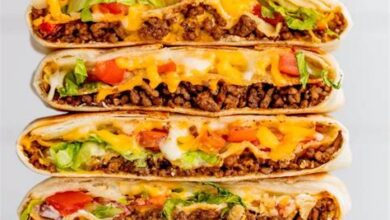
Discover cheap fast food options globally, explore their evolution, cultural influences, and sustainable practices, plus tips for finding the best near you! Embark on a flavor-packed adventure with Cheap Fast Food Around The World: A Culinary Journey.
This article invites you to explore the diverse and delectable world of budget-friendly fast food options available in major global cities. From street food stalls to iconic chains, we delve into how cheap fast food has evolved over the decades, reflecting cultural influences that shape our eating habits.
Whether you’re a curious traveler or a savvy local in search of the best hidden gems, our guide provides practical tips for finding affordable meals near you. Additionally, we examine sustainable practices in the fast food industry, ensuring that your culinary adventures are both satisfying and environmentally conscious. Join us as we celebrate the unity and diversity of fast food across the globe!
Exploring Cheap Fast Food Options In Major Global Cities
When it comes to cheap fast food, major global cities have a diverse array of options that cater to both locals and tourists alike. Each city’s unique culture and culinary preferences reflect in their fast food offerings, making the experience of tasting cheap fast food an exciting adventure.
In New York City, for instance, you can find iconic street vendors serving delicious hot dogs and pretzels, perfect for a quick bite on the go. These vendors not only offer affordability but also a taste of the city’s vibrant street food culture. Additionally, the rise of food trucks has introduced a variety of international cuisines that can be enjoyed without breaking the bank.
Moving across the Atlantic to London, the fast food scene is dominated by classic fish and chips shops, which offer hearty servings at reasonable prices. The city is also known for its multicultural influences, leading to an abundance of cheap fast food options including savory kebabs and authentic Indian curry stands that create a fusion of flavors at wallet-friendly prices.
In Tokyo, cheap fast food takes on a unique flair with its convenience stores (konbini) providing an array of affordable sushi, rice balls, and convenience meals. This not only highlights the Japanese approach to fast food but also showcases the country’s emphasis on quality even in quick bites, making it a fascinating stop for food lovers.
Meanwhile, in Mexico City, the iconic taco stands serve up delicious, affordable tacos with a wide variety of fillings, making it easy to explore the flavors of authentic Mexican cuisine without overspending. These local eateries often procure their ingredients from nearby markets, ensuring freshness and community support.
In Mumbai, street food culture is at its peak, with vendors offering mouth-watering pani puri and vada pav at prices that are accessible to everyone. This bustling scene showcases the spirit of shared meals among friends and families, proving that cheap fast food is not just about convenience, but also about community and culture.
Overall, exploring cheap fast food options in these major global cities not only satisfies your cravings but also broadens your culinary horizons. Each dish tells a story, making every bite an integral part of the city’s identity and charm.
The Evolution Of Cheap Fast Food Through The Decades
The landscape of cheap fast food has transformed significantly over the decades, adapting to societal changes, consumer preferences, and technological advancements. Understanding this evolution provides valuable insights into cultural shifts and the global economy.

In the 1950s, the concept of fast food began to flourish in the United States. Pioneers like McDonald’s introduced a streamlined service model that emphasized speed and efficiency. The introduction of the assembly line in kitchens allowed for faster food preparation and service. This era marked the transition from traditional cooking methods to a more industrialized approach.
By the 1970s and 1980s, cheap fast food became synonymous with convenience. Chain restaurants expanded their menus to include breakfast items, salads, and value meals to attract a broader customer base. This era also saw the rise of drive-thru services, further enhancing the appeal of fast food for busy lifestyles.
During the 1990s, the fast food industry faced criticism for its contributions to unhealthy eating habits. In response, many chains began to diversify their offerings with healthier options, including grilled items and salads, while promoting value through combo meals. The perception of cheap fast food started to shift towards a more health-conscious consumer base.
Fast forward to the 2000s and 2010s, the rise of technology transformed how consumers interacted with fast food. Online ordering and mobile apps became prevalent, allowing customers to order their favorite meals with just a few clicks. This era also witnessed the global expansion of fast food chains, introducing local adaptations of menus to cater to different cultures.
Today, the focus has shifted towards sustainability and ethical sourcing. Many fast food providers are striving to implement eco-friendly practices, such as reducing waste and using organic ingredients. This shift not only helps in maintaining their customer base but also contributes positively to the environment.
The evolution of cheap fast food reflects broader societal trends and challenges. As consumer expectations continue to evolve, it remains essential for the industry to adapt, ensuring that it remains efficient, relevant, and responsive to the needs of a diverse clientele.
Cultural Influences Behind Cheap Fast Food Choices Worldwide
The phenomenon of cheap fast food is not just about affordability and convenience, but also deeply intertwined with cultural influences that vary from region to region. Each country has its unique flavors, cooking methods, and eating habits, which shape the fast food that becomes popular locally.
In many Western countries, the rise of cheap fast food can be attributed to the fast-paced lifestyle. Quick meals have become essential for busy professionals and families on the go. This has led to a preference for items that are easy to eat while multitasking. On the other hand, in Asian countries, street food culture plays a significant role, with local vendors offering affordable and delicious meals that reflect regional ingredients and culinary traditions.
Another factor is globalization, which brings international cheap fast food chains to new markets. These chains often adapt their menus to cater to local tastes. For example, McDonald’s in India offers the McAloo Tikki burger, a vegetarian option, while KFC in Japan features dishes that incorporate local flavors, such as teriyaki chicken. This blending of global fast food with local culinary practices creates a unique dining experience that draws on cultural identity.
The social aspect of eating also influences fast food choices across different cultures. In cultures where communal dining is valued, affordable fast food offerings become an acceptable choice for gatherings and celebrations. Conversely, in societies where meals are more individualized, fast food may offer a quick and solitary meal solution.
Economic factors cannot be ignored. Regions with lower disposable incomes often see a higher demand for cheap fast food, as it provides an accessible way for families to stretch their budgets while satisfying cravings for flavorful meals.

The cultural influences behind cheap fast food choices worldwide are multifaceted, stemming from lifestyle, globalization, social dining habits, and economic conditions. As the culinary landscape evolves, so too will the nature of inexpensive fast food, continuing to reflect the diverse cultures that embrace it.
How To Find The Best Cheap Fast Food Near You
Finding the best cheap fast food options in your area can seem daunting, especially with so many choices available. However, with a few simple strategies, you can easily uncover delicious and affordable eats right around the corner. Here are some effective tips to help you navigate your quest for the best cheap fast food near you:
- Mobile Apps and Online Platforms: Utilize apps like Yelp, Google Maps, and TripAdvisor. These platforms allow you to filter searches based on price and location, providing you with reviews from other customers.
- Local Food Blogs: Reading local food blogs can give you insights into hidden gems that might not be featured on mainstream platforms. Bloggers often highlight unique and budget-friendly eateries in their area.
- Social Media: Platforms like Instagram and TikTok are buzzing with food enthusiasts showcasing their favorite cheap fast food spots. Search relevant hashtags to discover trending places near you.
- Word of Mouth: Ask friends, family, or colleagues for their recommendations. Personal experiences can lead you to some fantastic options that you may not have found otherwise.
- Local Markets and Food Trucks: Explore farmers’ markets or local food truck gatherings. These venues often feature affordable and delicious options that can satisfy your cravings without breaking the bank.
By combining these strategies, you’ll be well on your way to discovering the best cheap fast food in your area. Enjoy the culinary adventure that awaits!
Sustainable Practices In The Cheap Fast Food Industry
The fast food industry, known for its cheap fast meal options, is increasingly being scrutinized for its environmental impact. As consumer awareness grows, many establishments are adopting sustainable practices to mitigate their ecological footprint. Here are some notable strategies that the cheap fast food sector is implementing:
- Sourcing Ingredients Responsibly: Many fast food chains are making efforts to source ingredients from local and organic producers, thus supporting local economies and reducing transportation emissions.
- Reducing Plastic Use: Several companies are transitioning to biodegradable packaging and reducing single-use plastics, in response to growing concerns about ocean pollution and waste management.
- Energy Efficiency: Fast food restaurants are investing in energy-efficient appliances and lighting to minimize energy consumption and lower their utility bills.
- Waste Management: Implementing comprehensive recycling programs and composting organic waste are strategies that many fast food brands are using to reduce landfill contributions.
- Climate Initiatives: Some chains are setting measurable goals to reduce greenhouse gas emissions across their supply chain, aligning with global climate pledges.
As these sustainable practices gain traction, consumers can enjoy their cheap fast food options with a clearer conscience, knowing that they are supporting brands that prioritize environmental responsibility.

Frequently Asked Questions
What are some examples of cheap fast food in different countries?
Some examples include tacos from Mexico, kebabs from Turkey, and bánh mì from Vietnam, each offering unique flavors at affordable prices.
How do cultural influences shape fast food options globally?
Cultural influences often lead to variations in fast food offerings; local cuisines infuse unique ingredients and flavors, creating dishes that reflect regional tastes.
What are the health implications of consuming cheap fast food?
While cheap fast food is convenient, it often contains high levels of sugar, salt, and fats. Moderation is key to avoiding health issues related to overconsumption.
Are there vegetarian or vegan options available in fast food cultures?
Yes, many countries feature vegetarian or vegan fast food, such as falafel in the Middle East or veggie burgers in the U.S., catering to diverse dietary preferences.
How do prices of fast food compare with local dining options?
Fast food is generally cheaper than traditional local dining options; however, this can vary depending on the country and local economic factors.
What influences the popularity of a particular fast food item in a region?
Popularity can be influenced by factors like accessibility, marketing, local taste preferences, and the economic status of the population.
How has globalization affected the fast food landscape?
Globalization has led to the proliferation of international fast food chains, creating a blend of local and global eating habits, while sometimes overshadowing traditional foods.