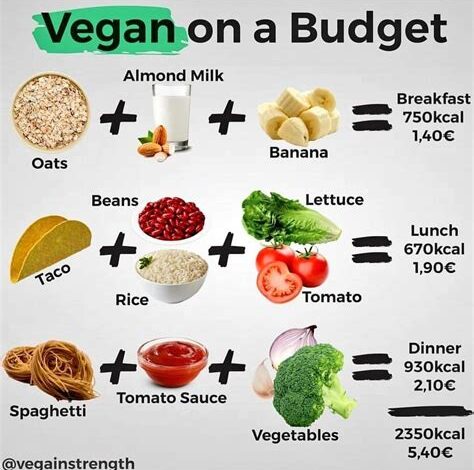
Discover how fast food is evolving with affordable vegan options, consumer responses, and the impact of cheap ingredients on menu choices. In recent years, the fast food industry has undergone a remarkable transformation, embracing the growing demand for vegan and vegetarian options.
As more consumers prioritize plant-based diets, cheap fast food chains are strategically expanding their menus to cater to these preferences without breaking the bank. This article delves into the surge of affordable vegan and vegetarian choices in the fast food landscape, highlighting how budget-friendly ingredients enable restaurants to offer cost-effective, flavorful meals.
We’ll explore consumer reactions to these changes, compare prices, and examine how affordability influences dining decisions. Join us as we uncover the delicious ways fast food is evolving to meet the needs of modern diners, making plant-based eating more accessible than ever before.
Exploring How Cheap Fast Food Options Are Expanding
In recent years, the fast-food industry has witnessed a significant transformation, particularly in response to the growing demand for plant-based options. As consumers become more health-conscious and environmentally aware, many chains have recognized the lucrative opportunity that catering to vegans and vegetarians presents. This shift is not a mere trend; it reflects a fundamental change in how cheap fast food establishments are diversifying their menus to include a wider array of affordable, how cheap vegan-friendly items.
One of the most notable strategies employed by these establishments is the introduction of plant-based meat alternatives that mimic the taste and texture of traditional meat. This allows fast-food providers to appeal to both dedicated vegetarians and those curious about reducing their meat consumption without compromising on flavor or experience. Furthermore, these alternatives are often produced at a fraction of the cost compared to animal-based products, enabling fast-food chains to maintain their how cheap price point.
Additionally, many fast-food outlets are highlighting simple, vegetable-forward options such as salads, wraps, and grain bowls that require minimal preparation and ingredient costs. By focusing on fresh, seasonal produce, they can keep their expenses low while offering healthier, plant-based meals that cater to the growing vegan demographic.
This expansion is particularly evident in fast-food giants who have begun to test or roll out innovative vegan products across various markets. These menu items are not only affordable but also positioned as value meals, making them an immediate competition to traditional cheap fast food offerings.
The continuous exploration of how cheap fast food options are expanding signifies a broader acceptance of plant-based diets in mainstream food culture. As chains innovate and adapt, they are not only improving their bottom line but also contributing to a larger movement toward sustainable eating practices.
The Rise of Vegan and Vegetarian Choices in Fast Food
In recent years, the fast-food industry has witnessed a significant transformation as it adapts to the evolving dietary preferences of consumers. This shift has been largely driven by the increasing popularity of plant-based diets among a diverse clientele. More than ever, fast-food chains are recognizing the need to provide options that cater to vegans and vegetarians. The rise of these choices is not just about meeting demand; it reflects broader societal changes regarding health, sustainability, and animal welfare.

Gone are the days when the only alternatives on the menu were a bare salad or a simple veggie burger. Today, many fast-food outlets prioritize creativity in their offerings, making significant investments in developing how cheap and delicious vegan and vegetarian options. By leveraging affordable ingredients, these restaurants can introduce innovative plant-based meals that do not compromise on taste or value.
This trend is also driven by the competitive nature of the fast-food market. As chains vie for customers, offering a broader range of vegan and vegetarian choices has become a strategic move to attract a growing demographic. Additionally, brands are keen to position themselves as forward-thinking and environmentally conscious, further boosting their appeal amongst millennial and Gen Z consumers who are more likely to prefer sustainable eating practices.
Notably, fast-food giants have partnered with food innovation companies to create plant-based products that replicate the textures and flavors of traditional meat items. This allows them to tap into the flexitarian market, encouraging more people to try vegan options without fully committing to a plant-based diet. The growing prevalence of promotional campaigns centered around these new offerings highlights their importance in the overall menu strategy.
As fast food continues to evolve, the rise of vegan and vegetarian choices signals a broader acceptance and celebration of diverse diets. The drive to offer affordable yet flavorful options demonstrates a clear understanding of current consumer needs and preferences and aligns seamlessly with the idea of how cheap fast food can still be exciting and satisfying on a plant-based journey.
How Cheap Ingredients Drive Fast Food Vegan Menus
The fast food industry has been remarkably adaptive, especially in response to changing dietary preferences. A significant factor in this adaptability is the use of how cheap ingredients empower chains to offer extensive vegan menus without significantly affecting their bottom line. The focus on cost-effective sourcing allows fast-food companies to introduce enticing vegan options that appeal not just to vegetarians and vegans but also to a broader audience looking for budget-friendly meals.
Many fast food restaurants have opted for plant-based substitutes, such as lentils, beans, and grains, which are notably less expensive than traditional meat products. These ingredients not only lower overall costs but also boast a longer shelf life, making them easier to store and incorporate into menus. Fast food chains often experiment with various combinations, creating appealing dishes like bean burgers or quinoa wraps that maintain a competitive price point.
In addition to saving on ingredient costs, ineffective meat supply chains have led many chains to embrace veganism. Substituting meat with less costly vegetables or legumes helps to mitigate higher prices associated with beef and poultry while still catering to health-conscious consumers. This not only reflects a savvy business move but also aligns with the growing trend of plant-based eating.
Furthermore, the competitive landscape of cheap fast food motivates companies to innovate. As they recognize the increasing demand for plant-based meal options, they are incentivized to optimize their menus continually. The incorporation of how cheap ingredients not only drives profits but allows for a rapid introduction of new products that keep customers returning for more.

The strategic use of inexpensive ingredients is a key driver in the expansion of vegan menus in cheap fast food. As consumer awareness and demand for accessible plant-based options continue to rise, it’s clear that this trend will only grow, reshaping how we view affordability in fast food dining.
Comparing Prices: How Cheap Is Fast Food for Vegans?
When it comes to dining out, affordability is a significant factor for many consumers, including those following vegan and vegetarian diets. Fast food chains have recognized this demand and are expanding their menus to attract this growing demographic. But how does the pricing of vegan options stack up against traditional fast food items? Let’s explore.
Typically, how cheap fast food can be varies widely between different chains and locations. On average, a vegan burger or salad can cost anywhere from $5 to $8, which is quite comparable to standard meat-based options that often range from $4 to $10. However, the perceived value can differ, especially when considering portion sizes and ingredient quality.
Moreover, many fast food chains have begun offering promotional deals specifically targeting vegans and vegetarians. These deals often position plant-based items slightly lower in price to encourage more sales, thereby making it easier for environmentally conscious consumers to choose healthier options without breaking the bank.
A critical reflection of this pricing trend can be seen in meal bundles. Many fast food outlets now offer vegan meal combos that include a burger, fries, and a drink for around $8 to $10. This competitive pricing not only makes the meals affordable but also brings them within the budget of a broader range of customers.
While the price of vegan fast food can vary, numerous options are emerging that ensure affordability is at the forefront. As chains continue to innovate and cater to the values of vegan consumers, it’s clear that how cheap fast food is for vegans will continue to improve, making it an enticing option for more individuals seeking budget-friendly dining solutions.
Consumer Response: The Impact of Affordability on Fast Food Choices
The intersection of how cheap fast food options are tailored for vegans and vegetarians is heavily influenced by consumer response, particularly concerning affordability. As fast food chains adapt to the growing demand for plant-based diets, they are keenly aware that price remains a pivotal factor in consumer decision-making. Numerous studies have shown that price sensitivity plays a significant role in the preferences of fast food customers. When faced with choices that align with their dietary needs, many consumers, especially those adhering to vegetarian or vegan lifestyles, still prioritize cost over other factors such as brand loyalty or taste.
The appeal of how cheap these vegan offerings are cannot be overstated. For many consumers, especially students and budget-conscious diners, the financial aspect often outweighs the health or ethical considerations of their meal options. Fast food restaurants that introduce competitive pricing for vegan and vegetarian meals are likely to capture a larger market share, as they provide an accessible way for individuals to enjoy plant-based diets without a significant financial burden.
Market research indicates that value menus featuring plant-based items attract a diverse customer base, from environmentally-conscious eaters to those simply looking for a budget-friendly meal. This shift has encouraged many chains to not only create but also prominently advertise affordable vegan options.
Moreover, the rise of social media has amplified consumer voices, allowing for a quick exchange of feedback concerning pricing and menu innovations. As diners share their experiences with vegan fast food options, chains are compelled to respond, further driving a trend where affordable pricing becomes synonymous with successful vegan offerings. An increasing number of fast food restaurants are recognizing that for their plant-based menus to thrive, they must align with consumer expectations of affordability.

Frequently Asked Questions
What are some examples of fast food chains that are catering to vegans and vegetarians?
Many fast food chains, such as McDonald’s, Burger King, and Taco Bell, have introduced vegan and vegetarian options to their menus, including plant-based burgers, wraps, and salads.
Why is the demand for vegan and vegetarian fast food options increasing?
The demand for vegan and vegetarian options is increasing due to a growing awareness of health benefits, environmental concerns related to meat consumption, and the rise of ethical eating practices.
How do fast food chains maintain affordability while introducing vegan options?
Fast food chains often keep costs low by utilizing economy of scale, sourcing plant-based ingredients in bulk, and optimizing their supply chains to provide affordable pricing on vegan options.
Are vegan fast food options as nutritious as non-vegan options?
The nutritional value of vegan fast food options can vary greatly; while some items are healthier, others may be highly processed and contain added sugars or unhealthy fats. It’s essential to review the nutritional information provided by the chains.
What challenges do fast food chains face when introducing vegan and vegetarian items?
Challenges include adjusting cooking processes to prevent cross-contamination, sourcing consistent and high-quality ingredients, and overcoming customers’ perceptions about taste and satisfaction of vegan options.
Are there any significant differences in taste between vegan and traditional fast food?
The taste difference can vary widely depending on the ingredients and preparation; many consumers find that modern plant-based options closely mimic the taste and texture of traditional fast food items.
How do marketing strategies for vegan fast food differ from traditional fast food?
Marketing strategies for vegan fast food often emphasize health benefits, sustainability, and ethical sourcing, targeting consumers who prioritize these values, while traditional fast food marketing typically focuses on taste, convenience, and affordability.