In today’s fast-paced lifestyle, the question of whether cheap fast food is worth it resonates with many consumers. Affordable meals are a staple for those juggling tight budgets, offering quick satisfaction for hungry individuals and families. However, navigating the fast food landscape requires an understanding of its pros and cons to avoid falling into unhealthy eating habits. While fast food convenience is undeniably appealing, we must also consider the nutritional aspects that often accompany these budget-friendly meals. Join us as we explore if cheap fast food is truly a bargain or if it comes with hidden costs to our health.
When discussing budget-friendly dining options, the appeal of economical quick-service restaurants cannot be ignored. These eateries provide swift meals that cater to our busy schedules, allowing consumers to enjoy a myriad of choices without hefty expenses. Ultimately, the dialogue surrounding fast food encompasses its role in modern society regarding both its practicality and health implications. It’s vital to examine the trade-offs associated with these culinary conveniences, understanding how they might influence our dietary decisions and encourage habits that may not promote long-term wellness. Dive in as we unpack the complexities of inexpensive dining in today’s culture.
Understanding the Cost of Cheap Fast Food
One of the most appealing aspects of cheap fast food is its low price point. With numerous options available for under five dollars, it becomes an accessible choice for anyone on a budget. This affordability is particularly significant for students, young adults, and families facing financial constraints. It’s easy to grab a quick meal without removing much from your wallet, making fast food a practical option for those in need of affordable meals.
However, while the immediate financial savings are apparent, it’s important to consider the long-term costs associated with cheap fast food. With meals that often lack essential nutrients and are high in unhealthy fats, the consumption of fast food can lead to various health issues in the future. Thus, what seems like a money-saving choice can result in increased healthcare costs down the line due to dietary-related diseases.
Fast Food Convenience: A Double-Edged Sword
The convenience of fast food is another compelling factor that draws in busy individuals and families. Fast food outlets are conveniently located, often featuring drive-thru services that allow diners to grab meals on the go. With a quick service that can satisfy hunger pangs within minutes, it fits well into the lifestyles of people with limited time.
However, this convenience can contribute to unhealthy eating habits. The ease of access to cheap fast food may encourage repeat visits, leading to a reliance on these foods instead of preparing balanced meals at home. Over time, this convenience can promote a cycle of preference for fast, unhealthy options over more nutrient-dense foods, further exacerbating health concerns.
The Nutritional Impact of Fast Food Choices
When we talk about cheap fast food, the nutritional content often raises serious concerns. Many of these meals are engineered to be filling and palatable, but they are often riddled with high levels of sugar, sodium, and unhealthy fats, while lacking vital nutrients that our bodies need. This deficiency can lead to unhealthy eating habits and long-term health challenges.
Moreover, as fast food becomes a regular part of our diet, the risk of developing obesity, diabetes, and other chronic health conditions rises significantly. The easy availability of fast food can overshadow healthier options, making it essential to be mindful of what we consume, especially if choosing fast foods frequently.
Weighing the Pros and Cons of Fast Food
While cheap fast food presents certain advantages, such as affordability and convenience, these benefits must be weighed against the potential health risks. Understanding the fast food pros and cons allows consumers to make more informed choices. Yes, the convenience it offers is unmatched, but at what cost? It’s crucial for individuals to think about the trade-offs involved.
In considering these factors, one must also acknowledge the temptation to indulge in fast foods that may ultimately detract from one’s overall health and wellbeing. Reflecting on personal dietary habits and seeking balances can help bridge the enjoyment of fast foods with maintaining good health.
Finding Healthier Alternatives at Fast Food Chains
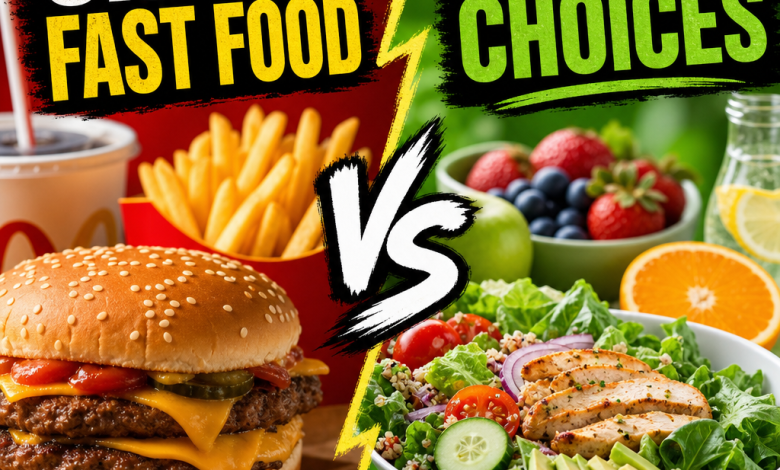
To mitigate some of the downsides of fast food, many chains are now offering healthier alternatives that can fit into a balanced diet. Opting for grilled items rather than fried, choosing salads over burgers, and being mindful of portion sizes can greatly enhance the nutritional value of a fast food meal. By making these choices, individuals can indulge in their favorite convenience foods without completely sacrificing their health.
Additionally, being proactive about meal selection by checking nutritional information can empower consumers to make better choices. Many fast food restaurants provide detailed menus and labels that highlight healthier options, allowing diners to select meals that meet their dietary needs and preferences.
The Long-Term Effects of Fast Food Consumption
Regular consumption of cheap fast food can impart significant long-term health risks that often go unnoticed until they manifest as serious conditions. Continued reliance on these foods can lead to increased body weight and heighten the risk for serious health issues like heart disease and metabolic syndrome. As such, making fast food a staple rather than an occasional choice can have dire consequences for overall health.
These long-term effects can translate into not just physical health issues but also emotional and economic burdens. Individuals may face rising medical costs and decades of health-related struggles that could have been prevented with a more balanced dietary approach. The temptation of cheap convenience may not be worth the future repercussions.
Frequently Asked Questions
Is cheap fast food worth it for those on a budget?
Yes, cheap fast food is often worth it for those on a budget. Meals are affordable, usually priced under $5, making it accessible for individuals and families looking to save money while satisfying hunger quickly.
What are the pros and cons of cheap fast food?
The pros of cheap fast food include affordability, convenience, variety, and consistent quality. However, the cons involve poor nutritional value, potential for unhealthy eating habits, and negative health impacts associated with excessive consumption.
How does cheap fast food impact nutrition?
Cheap fast food typically lacks nutritional quality, being high in calories, unhealthy fats, and sugars while low in essential nutrients. Regular consumption may lead to unhealthy eating habits and health issues such as obesity and heart disease.
What healthier options are available at cheap fast food restaurants?
Many cheap fast food restaurants now offer healthier options such as salads, wraps, and grilled items instead of fried foods. Choosing these alternatives can help mitigate the drawbacks of typical fast food meals.
Can frequent consumption of cheap fast food lead to health issues?
Yes, frequent consumption of cheap fast food can lead to significant health issues including obesity, diabetes, and heart disease due to its high calorie and unhealthy fat content. Moderation is essential when indulging in fast food.
Are there environmental concerns associated with cheap fast food?
Yes, many fast food chains contribute to environmental degradation through unsustainable sourcing and excessive packaging. This environmental impact is an important consideration when evaluating the worth of cheap fast food.
| Key Points | Pros | Cons | |
|---|---|---|---|
| Affordability | Cheap meals priced below $5 are accessible to those on tight budgets. | Nutritional Quality | Often high in calories, sugars, and unhealthy fats, lacking essential nutrients. |
| Convenience | Fast food is easily accessible and quick to obtain, especially for busy individuals. | Addictive Nature | Fast food’s taste can lead to unhealthy eating habits and cravings for more. |
| Variety | Offers a wide menu to satisfy different cravings quickly. | Environmental Impact | Excessive packaging and unsustainable sourcing practices harm the environment. |
| Consistency | Standardizes meals across locations for familiar taste and quality. | Cultural Homogeneity | Promotes a singular way of eating that can overshadow local food cultures. |
| Satiation | Designed to fill you up quickly, albeit may not be healthy. | Health Costs | Long-term health issues from poor diet can lead to significant healthcare expenses. |
Summary
Cheap fast food worth it? This question resonates with many eager to balance affordability and convenience against health and environmental concerns. While cheap fast food appeals to those seeking quick, economical meals — especially students and busy professionals — it’s crucial to acknowledge the nutritional deficiencies and long-term health implications associated with regular consumption. Moderation and informed choices can mitigate some risks, making cheap fast food a reasonable option when balanced with healthier alternatives. In making your dietary decisions, striving for a balance between taste, convenience, and health ensures you get the most out of your dining experience.
Unlock the power of seamless content creation with Autowp, the ultimate AI content generator and AI content creator plugin for WordPress. Designed to enhance your writing experience, Autowp harnesses cutting-edge artificial intelligence to generate high-quality articles, blog posts, and web content effortlessly. Say goodbye to writer’s block and hello to an endless stream of engaging content tailored to your needs. Supercharge your website and attract more visitors with the best in AI technology today! To remove this promotional paragraph, upgrade to Autowp Premium membership.